
A pocket door slides neatly into the wall to save space — until it sticks, drags on the floor, or falls off its overhead rail and won't move. Because the hardware hides inside the wall, pocket doors can feel intimidating to fix, but the mechanism is straightforward once you know it. Lincoln Sliding Doors repairs interior pocket doors across the Daytona Beach area.
Whether yours has jumped its track, lost a roller, or just binds halfway, we get it sliding smoothly back into the wall the way it's meant to.
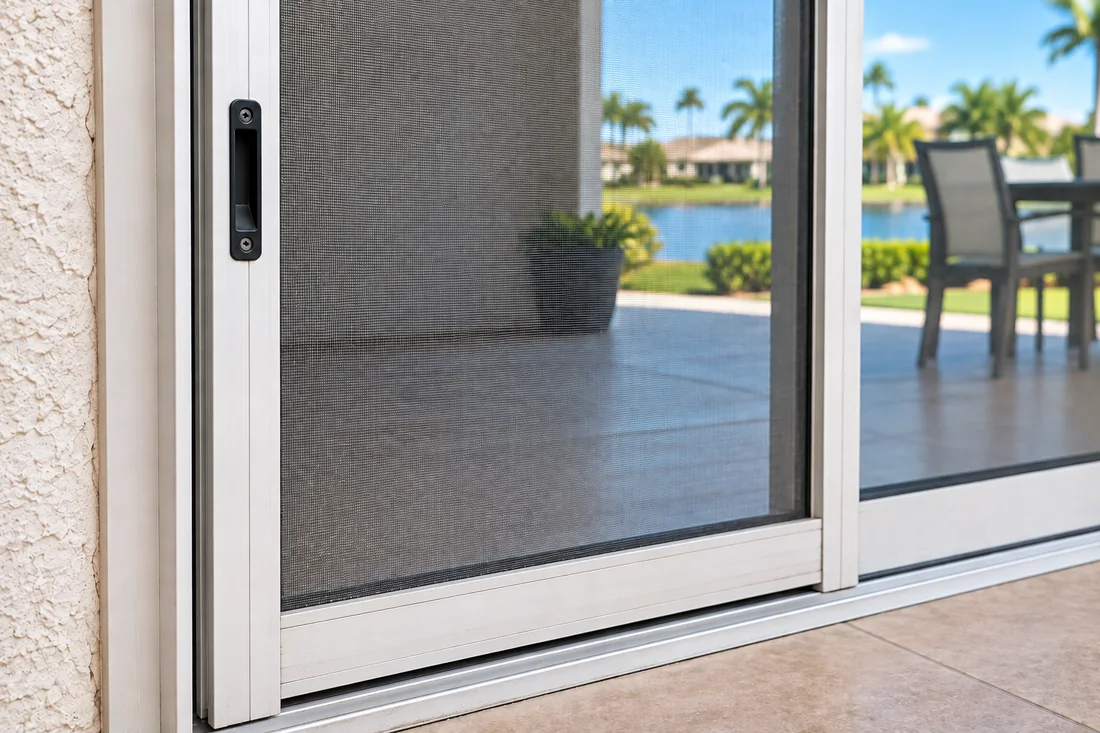
What this service solves
A repaired pocket door glides in and out of the wall cleanly, stops dragging on the floor or jamb, and latches properly again — giving you back the space-saving convenience that's the whole point of a pocket door.
Warning signs to watch for
- The door sticks or binds partway along its travel
- It drags on the floor or scrapes the jamb
- It's come off its overhead track and won't slide
- The door won't stay in the pocket or won't come out fully
- The guide or hardware at the bottom has failed
Common causes
- Worn or broken overhead rollers/hangers
- A bent or dirty overhead track
- Failed or missing floor guides letting the door swing
- The door sagging out of adjustment
- Hardware simply worn out over the years
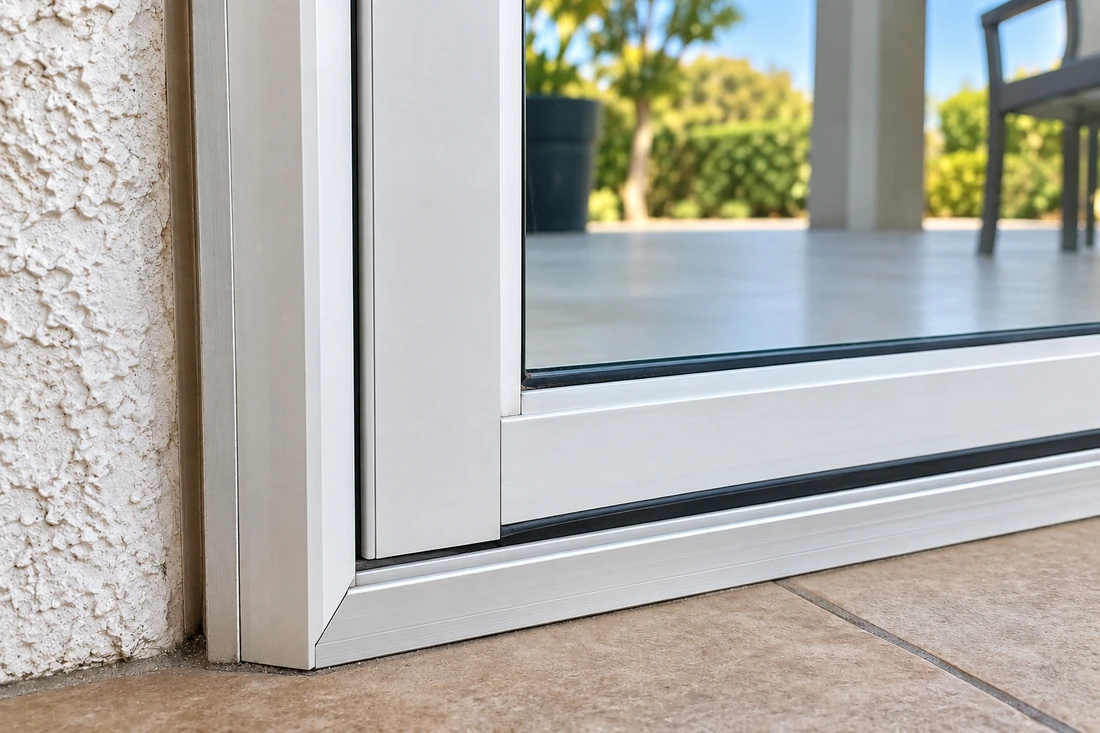
What our technician checks
- The overhead track and roller hangers
- The floor guide and how the door is steered
- Whether the door is hanging square
- Access to the in-wall hardware for the repair
- The latch and how the door closes
Our repair process
Diagnose the mechanism
We determine whether it's the overhead rollers, the track, or the floor guide causing the bind, and how best to reach the hardware.
Access the hardware
We access the in-wall mechanism carefully — often through the top or by easing the door out — with minimal disruption.
Repair or replace parts
We replace worn rollers/hangers, service or straighten the track, and refit the floor guide so the door is steered properly.
Rehang and test
We rehang the door square, confirm it slides fully in and out and latches, and check it runs smoothly end to end.
Repair or replace?
Pocket door problems are almost always hardware problems — rollers, track, or guides — and hardware is replaceable. The door itself and the pocket in the wall are nearly always fine, so a repair is the norm.
Only a door that's been water-damaged or physically broken would need replacing, and even then the in-wall track can usually be reused. In most cases, new hardware and an adjustment is all it takes.
Residential & commercial
Offices and commercial spaces use pocket and cavity sliders for meeting rooms and partitions. We service commercial pocket door hardware to keep them operating quietly and reliably.
Frequently asked questions
Can a pocket door be fixed without tearing open the wall?
Usually, yes. Most pocket door hardware can be reached by easing the door out or working through the top of the opening, without major wall demolition.
Why does my pocket door keep coming off?
Typically a worn overhead roller/hanger or a failed floor guide. We replace the failed part and re-steer the door so it stays on track.
My pocket door drags on the floor — what's wrong?
It's likely sagging from worn overhead hardware, or the floor guide has failed. Adjusting the hangers and refitting the guide lifts it clear.
Do you repair the latch on pocket doors too?
Yes. We service the edge pulls and latches that pocket doors use so they close and hold properly.
Are pocket doors worth repairing?
Yes — the hardware is inexpensive relative to rebuilding a pocket door into the wall, and repair restores full function.